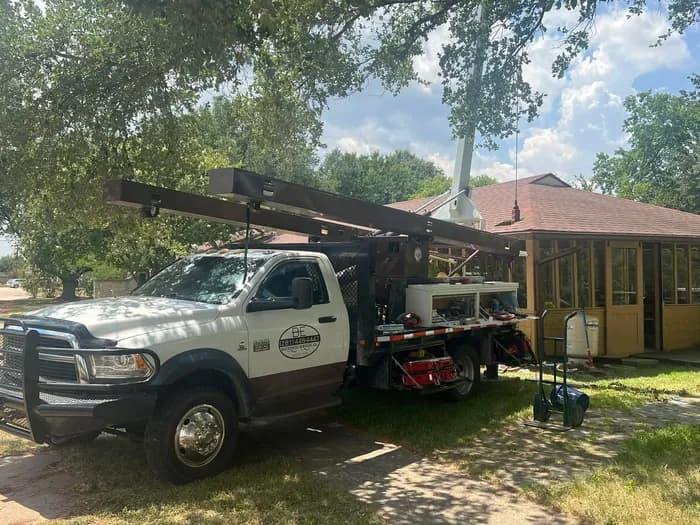
Less water than you used to have? Well rehabilitation can restore yield in declining wells through mechanical jetting, shock chlorination, or acid treatment — at a fraction of new well drilling cost. B-E Waterwell. TDLR Licensed.
Well rehabilitation is a set of cleaning and treatment methods designed to restore the water yield and quality of a declining well. Rather than abandoning a well and drilling new — at a fraction of the cost — rehabilitation addresses the root cause of yield loss: biofouling, mineral encrustation, or sediment blockage.
Not every well can be rehabilitated. Structural failures, severe casing damage, and contamination may require a new well. But for the most common causes of decline in Houston — iron bacteria and mineral buildup — rehab is often the right call, including targeted well screen repair and cleaning.
5,000+Wells Serviced
1–2 DaysTypical Disruption
45+Years Experience
TDLRLicensed
Diagnosis First
Why Well Yield Decreases
Declining water pressure or a pump that runs longer than it used to almost always traces back to one of four causes. We diagnose which one is affecting your well before recommending a treatment.
01
Biofouling
Iron bacteria and sulfate-reducing bacteria (SRB) colonize the well screen and perforations. They produce slime that physically blocks water entry. Common in Houston-area wells after 8–10 years.
02
Mineral Encrustation
Calcium carbonate and iron oxide deposits build up on the well screen over time, reducing the effective open area. Most common in high-mineral aquifer zones across our service area.
03
Mechanical Wear
Worn or corroded well screen, damaged casing, or shifted production sand. Structural issues require assessment before rehabilitation — some may need new well drilling.
04
Aquifer Changes
Natural water table decline or seasonal fluctuation can reduce available yield. Long-term aquifer drawdown requires site assessment and may indicate the need for a deeper well.
Rehabilitation Methods
How We Restore Well Yield
Mechanical Jetting
High-pressure water jetting directed at the well screen and perforations to physically remove biofouling and mineral buildup. Most effective for screens with debris accumulation.
Best for mineral deposits
Clears sediment blockage
Restores screen open area
Shock Chlorination
High-concentration chlorine solution introduced into the well and circulated through the screen to kill iron bacteria colonies. Contact time and concentration are critical for effectiveness.
Best for iron bacteria
Treats biofouling
Improves water quality
Acid Treatment
A controlled acid solution dissolves calcium carbonate and iron oxide mineral scale from the screen and perforations. Followed by full neutralization and flushing.
Best for mineral encrustation
Dissolves carbonate scale
Neutralized and flushed
Combination Treatment
Severely fouled wells often require sequential treatment — mechanical jetting to remove physical buildup, then chemical treatment for remaining bacteria or mineral deposits.
Best for advanced fouling
Handles multiple issues
Sequential jetting + chemical
Make the Right Call
Rehabilitation vs. New Well
For most wells under 20 years old with intact casing, rehabilitation restores flow for a fraction of the cost of replacement. Here is how the two options compare.
Rehabilitation
New Well
Cost
A fraction of the cost of a new well
Significantly higher — full drilling project
Disruption
1–2 days
1–2 weeks
Best when
Well <20 yrs, intact casing, biofouling/mineral cause
Casing failure, well >30 yrs, contamination, aquifer depletion
Success rate
High for biofouling/mineral; lower for structural issues
100% — new well, full yield
The Houston Problem
Iron Bacteria in Houston-Area Wells
Groundwater beneath Montgomery County contains elevated dissolved iron in many wells — a natural characteristic of the sandy coastal plain formation. This creates ideal conditions for iron bacteria, which oxidize the iron and produce reddish-brown slime colonies inside wells over time. Left untreated, that slime clogs the well screen and is a leading cause of brown or discolored well water and declining yield.
Signs of Iron Bacteria in Your Well
Red or orange slime
Visible in toilet tank, inside hose bibs, or around fixtures.
Sulfur or rotten egg odor
Often accompanies iron bacteria or SRB colonies.
Stained fixtures
Reddish-brown staining on sinks, showers, or laundry.
Declining yield
Gradually less water pressure or pump taking longer to fill the pressure tank.
Common Questions
Well Rehabilitation FAQs
The main factors are well age, structural integrity, and cause of decline. Wells under 20 years old with intact PVC casing are usually good rehab candidates. If decline is due to biofouling or mineral encrustation — the most common causes in Houston-area wells — rehabilitation success rates are high. We perform a diagnostic before recommending any approach.
It depends on the method and the underlying cause. Shock chlorination for iron bacteria typically lasts 1–2 years before re-treatment is needed, especially in high-iron well water. Mechanical jetting for mineral deposits often restores yield for 5–10 years. We monitor performance after rehabilitation and recommend annual inspection to track results.
Iron bacteria are microorganisms that oxidize dissolved iron in groundwater, producing reddish-brown slime that clogs well screens. Groundwater under Montgomery County and Houston often has elevated dissolved iron, making iron bacteria a common problem in wells over 8–10 years old. Signs include red or orange staining in toilet tanks, sulfur or rotten egg odor, and declining yield.
DIY shock chlorination is possible but rarely eliminates established iron bacteria colonies in the well screen. Effectiveness depends on chlorine concentration, contact time, and reaching the perforations — not just pouring bleach down the casing. We use proper chemical concentration, agitation, and contact time protocols. Improper treatment can temporarily suppress bacteria without eliminating the colony, giving false reassurance.
Call for a diagnostic and estimate. We'll tell you honestly whether your well can be rehabilitated — or whether replacement is the smarter long-term call. No pressure, quoted in writing.